If You Like Bluegrass, Try Irish Banjo for a Fresh Sound

Bluegrass fans can discover a fresh sound without losing the drive they love. If you like bluegrass, try Irish banjo: the four-string banjo used in Irish music is most often tuned in fourths, C, G, D, A. That tuning and the music’s distinctive rhythmic feel offer a new route into lively traditional tunes.
It makes sense to be drawn to the banjo’s bright attack, nimble picking, and strong melodic pull. Irish banjo shares some of that energy, but it isn’t simply bluegrass played on a different instrument. Its phrasing, tune traditions, and the banjo’s role give familiar qualities a different shape.
In this guide, you’ll explore what the styles share, what changes when you move from five strings to four, and what to listen for in Irish jigs and reels. You’ll also find practical ways to explore the sound, from noticing how each note is picked to recognizing tunes that cross traditions. Follow the details, then let your ears decide what feels new.
Table of Contents

If you like bluegrass try irish banjo
Bluegrass and Irish banjo share bright, driving energy, but they shape melodies differently. Irish traditional music often features a four-string banjo, while bluegrass is closely associated with the five-string banjo. That change brings new challenges for your picking hand and familiar fretboard patterns. Start by listening for the melody’s shape in a jig or reel, then notice how the banjo carries it through the tune. If you like bluegrass, try Irish banjo as a new musical language, not simply a different sound.
The instrument’s role reflects two distinct traditions. Bluegrass history is commonly traced to Bill Monroe and the Blue Grass Boys’ 1945 band. Its instrumentation included fiddle, mandolin, five-string banjo, guitar and bass. Irish music had embraced the four-string banjo by the mid-twentieth century, bringing its sound into a tradition of dance tunes. Listen to one track from each style and compare what the banjo does. Does it drive the rhythm, carry the melody, or move between the two? That question gives your listening a clear focus.
The change from five strings to four also affects your picking choices. In Irish playing, a triplet is a quick group of three notes that adds lift to a tune. One banjo teacher, as described by a player, advised picking every note in an Irish triplet rather than using hammer-ons or pull-offs. Those techniques create notes by fretting or releasing a string without picking it again. Try picking all three notes slowly and evenly, then compare the crisp sound with how you’d phrase a bluegrass run.
Start with a tune that crosses traditions rather than tackling a whole new repertoire. “Paddy on the Turnpike” and “Temperence reel” have been identified as tunes shared across bluegrass and Irish or Scottish traditions. Find a version in each style and listen for differences in tempo, accent, and melodic decoration. Next, learn a short phrase by ear. Sing it before playing, then pick it on your banjo. A familiar melody gives your fingers a foothold while its phrasing introduces a different accent.
Pay attention to how players arrange tunes, too. Irish sessions often link melodies into medleys, with each tune repeated three times. Bluegrass and old-time sessions may return to a tune 10-12 times. These patterns create different listening experiences. A medley moves from one melody to the next, while repeated rounds give players room to settle into a tune. As you listen, count the changes between melodies and notice when a phrase returns. That simple exercise helps you hear structure, not just speed.
Try this short listening-and-playing routine:
Choose an Irish jig or reel and listen for its main melody before playing.
Hum a short phrase, then find those notes on your banjo.
Pick each note in a triplet evenly, without substituting a hammer-on or pull-off.
Compare “Paddy on the Turnpike” in both styles, focusing on accents rather than speed.
Give your ears time to adjust. Earl Scruggs joined Monroe’s band in 1945, a detail that helps place the bluegrass banjo within its own musical history. Irish banjo brings another sound and session context to explore. Keep a familiar tune in your practice rotation, add an Irish melody, and listen for the moment its phrasing starts to feel natural. Follow one difference at a time. That’s a lively way to broaden your banjo vocabulary while keeping the rhythmic drive you already enjoy.
Páraic Banjo: Not Before Time - 39 Years in the Making (Physical CD)
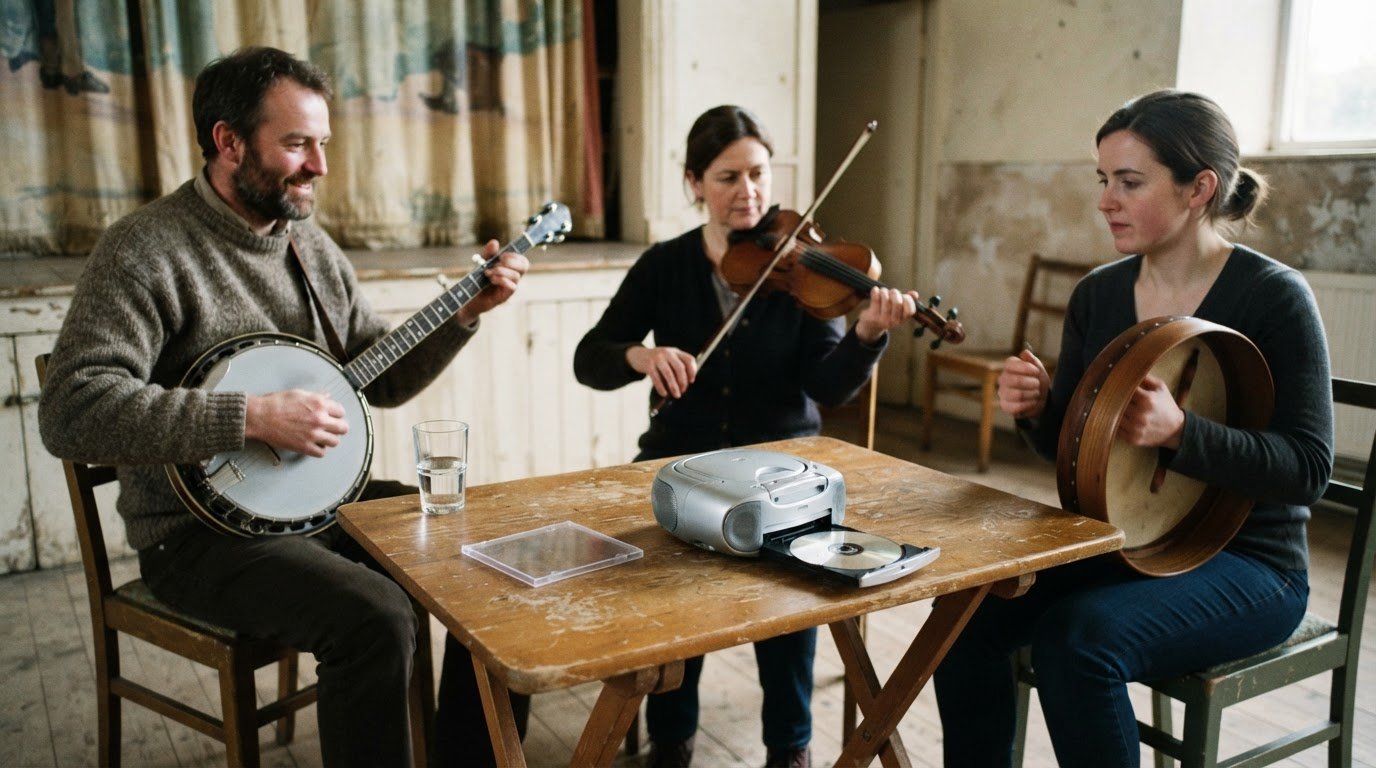
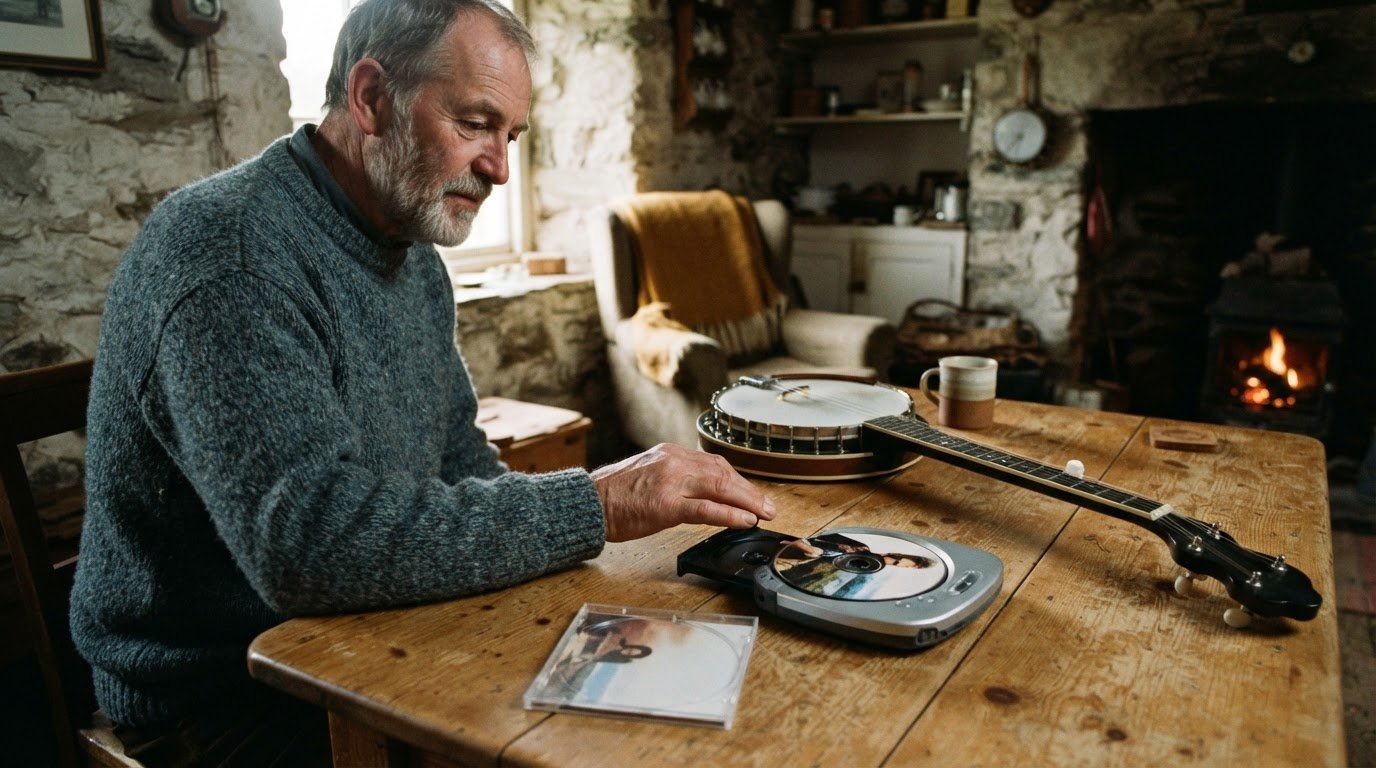
Páraic Banjo’s Not Before Time - 39 Years in the Making (Physical CD) is a natural next listen if you want to hear Irish session music in full flow. Its 18 tracks were recorded live with expert musicians, capturing the rhythmic, soulful character of the tradition. Listen for how the banjo’s melody sits within the ensemble, then revisit a tune and follow its phrasing.
Choose the physical CD, the digital album, or individual digital tracks to suit how you prefer to listen. A full album offers a connected journey through the music; individual tracks let you focus on a particular performance. If you’d like to explore Páraic Banjo’s Irish banjo recordings, contact Páraic Banjo.
Carry the Sound Into Your Next Tune
Let curiosity lead your next listening session. Instead of trying to copy every flourish, choose one phrase that catches your ear and follow its shape. Notice where the melody lifts, where the rhythm settles, and how the banjo supports the tune. Then bring that listening habit back to your own playing. Small discoveries can open up a whole new musical direction.
So, if you like bluegrass, try Irish banjo with an open mind and a tune you already enjoy. You don’t have to leave one tradition behind. Give your ears and hands another way to meet melody, rhythm, and phrasing. Take your time, listen closely, and let the music guide what you explore next.
Ready to continue listening? Explore Páraic Banjo and follow the sound wherever it takes you.

Comments