Listening to Music on CD vs Streaming: Which Should You Choose

The better way to listen may be the one that gives you less choice. When you’re weighing listening to music on CD versus streaming, CDs suit a more focused experience and give you a physical copy to keep, while streaming makes it easy to play music wherever you have access to a service. Neither is automatically better for sound: audio quality depends on the format and playback setup.
Streaming is convenient: a few taps bring up a track or playlist. A CD, by contrast, can make an album feel like a complete work, from its running order to the pauses between tracks. The right choice depends on what matters most in your everyday listening.
This guide compares CD and streaming sound quality, convenience, ownership, audio formats and costs, then offers a practical way to choose. You’ll see what each option does well, which trade-offs to consider, and when buying an album makes sense for your collection.
Table of Contents
What sounds better: streaming or CD?
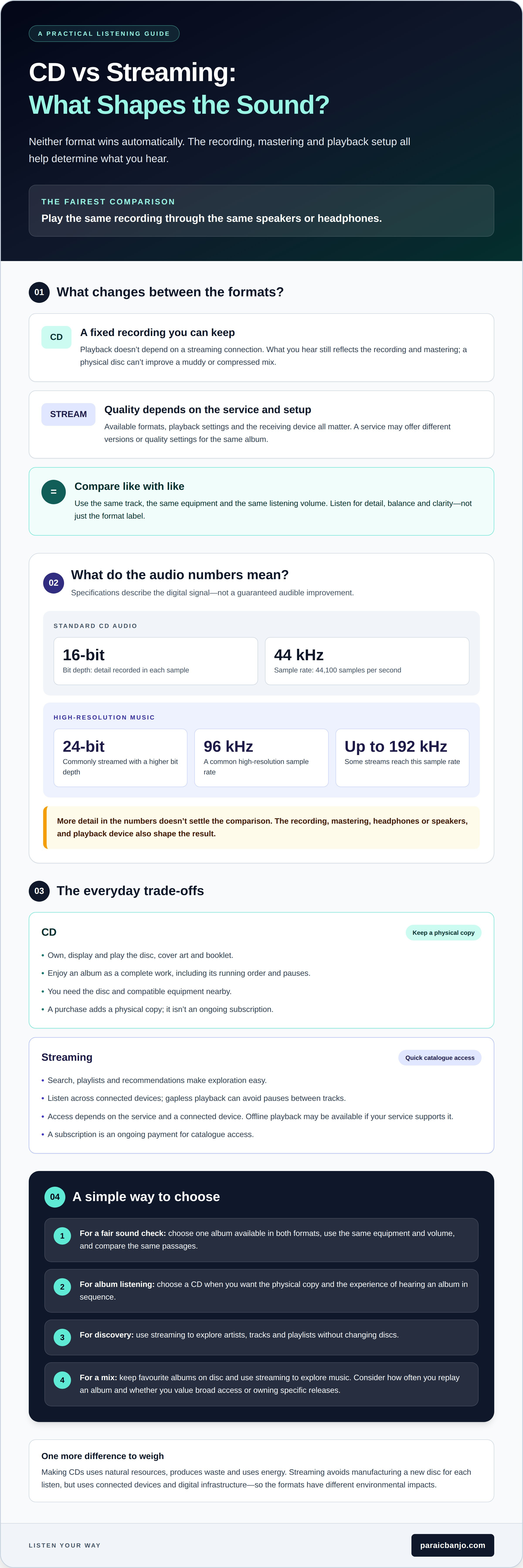
Neither format wins automatically: the recording, mastering and playback setup all shape what you hear. For a fair comparison of listening to music on CD vs streaming, play the same album through the same speakers or headphones.
Physical Media Sound and Fidelity
A CD gives you a physical copy of an album, and playback doesn’t depend on a streaming connection. Its sound still reflects the recording and mastering choices made for that release; physical media can’t improve a muddy or compressed mix. Play the same track from a CD and a stream on the same system, and listen for detail, balance and clarity.
Streaming Sound and Fidelity
Streaming sound depends on the service’s available formats, your playback settings and the device receiving the signal. A stream can sound excellent, but a service may offer different versions or quality settings for the same album. Set playback to the highest quality available to you, then compare the same recording rather than unrelated tracks.
CD Ownership and Collecting
A CD is a physical object you can keep, display and play without opening a streaming app. The booklet and cover art give an album a place in your collection, while streaming offers access without adding a disc to your shelves. CDs arrived in the 1980s, and collector interest in physical formats continues: CD sales rose in 2023 for the first time in two decades.
Physical formats have collector appeal beyond CDs. Vinyl remained popular among hi-fi enthusiasts 40 years after CDs arrived, showing how listeners can value the ritual and tangible details of an album as well as its sound. A collection can also help you return to favourite releases without browsing a catalogue.
A practical balance is to keep CDs for albums you love hearing from start to finish, and use streaming to explore artists and tracks before deciding what belongs in your collection. When weighing listening to music on CD vs streaming, compare a familiar song in both formats and consider whether owning the album matters to you.
Convenience, music ownership, and listening experience
CDs make listening hands-on, while streaming gives you easy access across connected devices. Your routine, budget and interest in discovering music can point to one format or a mix of both.
CD Listening Convenience and Ownership
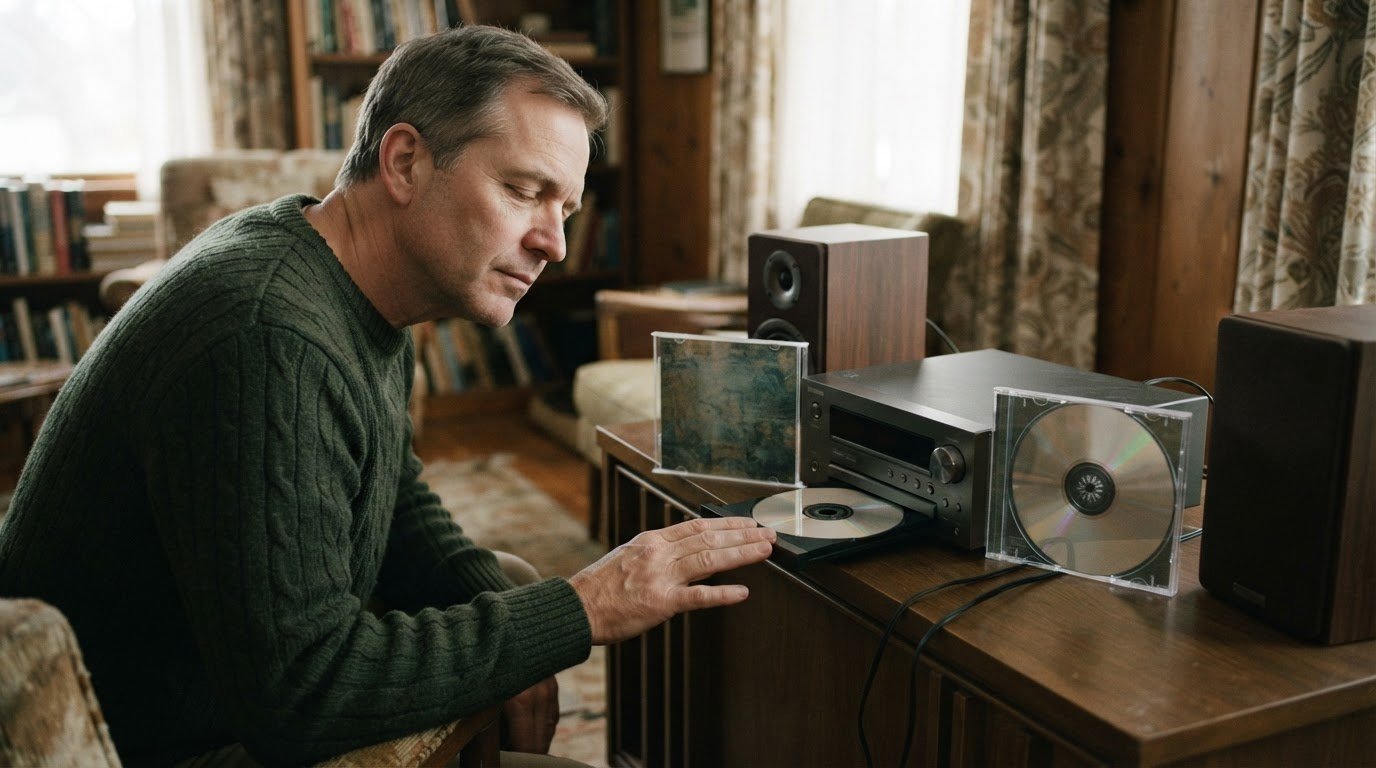
A CD offers a lasting copy and a listening ritual: choose the disc, put it in a player, then enjoy the album. You don’t need an active streaming subscription, but you do need the disc and compatible equipment nearby. With a favourite album on CD, you can return to your copy without searching a digital catalogue.
Streaming Convenience and Discovery
Streaming makes it easy to move between artists without changing discs. Search, recommendations and playlists can help you explore beyond your usual rotation, and suit spontaneous listening, such as putting on music while cooking. For albums that benefit from an uninterrupted flow, gapless playback avoids pauses between consecutive tracks.
Access differs, too. A CD collection gives you the discs you own, but taking that music elsewhere means bringing the discs or another playback option. Streaming lets you browse a digital catalogue in an app, though listening depends on service access and a connected device. Before a trip, download music for offline playback if your service supports it.
The costs work differently. A streaming subscription is an ongoing payment for catalogue access; buying a CD is a separate purchase that adds a physical copy to your collection. To compare them for your own habits, note how often you play a particular album and whether you value broad access or keeping specific releases.
The environmental effects also differ. According to the U.S. Environmental Protection Agency, making CDs consumes natural resources, produces waste and uses energy. Streaming avoids manufacturing a new disc for each listen, but uses connected devices and digital infrastructure, so the formats have different environmental impacts.
Match the format to the moment. Play a CD when you want to hear an album in sequence and enjoy its booklet and artwork; use streaming to sample unfamiliar artists or build a playlist for a particular mood. If both suit you, keep favourite albums on disc and use streaming for everyday discovery.
High-resolution audio formats and streaming services
High-resolution audio refers to digital files with greater bit depth or sample rates than standard CD audio. Those figures matter, but your playback equipment, the recording and the connection also shape the result.
What the audio numbers mean
Standard CDs use 16-bit audio and a 44 kHz sample rate, equal to 44,100 samples per second. Bit depth describes the detail recorded in each sample; sample rate describes how often audio is sampled. High-resolution music is commonly streamed at 24-bit/96 kHz, and some streams reach 192 kHz. These specifications describe the digital signal, not a guarantee that every listener will hear an improvement.
A higher number alone doesn’t settle the comparison. The album’s recording and mastering matter, as do your headphones, speakers and playback device. For a practical test, choose one album available in standard and high-resolution versions. Use the same equipment and volume, then compare the same passages rather than different recordings.
CD player versus streaming playback
A CD player reads the disc and sends audio through its built-in digital-to-analogue converter, or DAC, if it has one. A DAC turns digital audio into a signal that speakers or headphones can play. A dedicated CD transport or universal disc player can also send digital audio to an external DAC, if the player supports digital output.
Streaming adds a network and service to the playback chain. For high-resolution use, a streaming DAC should support PCM and DSD. PCM, or pulse-code modulation, stores audio as a series of measured sound samples; DSD, or Direct Stream Digital, represents sound using a rapid stream of single-bit values. A reliable internet connection helps prevent interruptions when streaming 24-bit/192 kHz music. Match the DAC’s supported formats to the albums and stream settings you plan to use.
Subscription fees and formats
A streaming subscription provides access through a service, while a CD player uses discs you’ve purchased. Compare the annual subscription cost with how often you listen and whether you want a broad catalogue or specific albums to keep.
Use this quick checklist before settling on a setup:
For CDs: confirm your player supports the disc and connections you use.
For high-resolution streams: match the service setting, DAC formats and internet reliability.
For albums in either format: compare the same recording through the same headphones or speakers.
Recording and remastering quality
The sound of a CD or stream is shaped before playback, by the performance, recording and final mastering. Those choices can matter more than the format label alone.
What mastering changes
Mastering is the final preparation of a recording for release. It shapes qualities such as overall level, tonal balance and dynamic range, the contrast between quieter and louder moments. A quiet vocal beside a forceful drum passage, for example, may feel more distinct in one master than another. Different formats don’t automatically mean different masters, so compare the release versions as well as the playback method.
Separate releases of the same album can sound different if they were prepared differently. A remaster may adjust balance or loudness, while another release may preserve more of the original recording’s dynamics. Neither description guarantees a preferred result. Listen for the qualities you value, such as clear vocals, natural instrument tone or the rise and fall of a live performance.
How to compare two versions
Choose a track available on CD and streaming, then check whether both releases use the same recording and master. Play the same passage through the same speakers or headphones, matching playback levels as closely as possible. A louder version can seem more impressive without being clearer. Listen to a vocal entrance, a quiet section and a strong chorus for differences in balance and detail.
For example, a traditional session recording may feature fiddle, banjo and guitar together. A master that brings one instrument forward can change the feel of the ensemble, even when the performance is identical. Notice whether you can follow each part comfortably and whether the quieter and louder passages retain the character you enjoy.
Same master: differences are more likely to come from playback, settings or equipment.
Different master: compare tonal balance and dynamics before judging CD against streaming.
Unfamiliar release: sample a full track, not only a short opening.
Keep the recording, passage, equipment and volume consistent during your comparison. This simple listening test helps separate format preferences from choices made during recording and mastering.
Buying music versus streaming
Think of buying and streaming as different ways to pay for music, not interchangeable versions of the same transaction. A purchase is tied to a release; a streaming plan pays for ongoing access under the service’s terms. Compare what each payment covers and how often you’ll use it.
How do CD ownership and streaming music licensing differ? Buying a CD gives you the disc, not the recording’s copyright; streaming access depends on a service’s terms and permissions to play recordings. According to the U.S. Government Publishing Office, a statutory license allows online music services to use every sound recording ever released.
Start with the album or track you actually want. If it’s a particular release you’ll return to, compare a one-time purchase with the subscription payments you’d make during the same listening period. If you want to explore a changing range of artists, weigh the value of catalogue access. The useful comparison is your listening pattern, not a universal break-even claim.
Keep the comparison practical. Write down the albums you’re considering buying and note how often you already listen to them. Separately, consider whether a streaming catalogue helps you find music you might not otherwise choose. This distinguishes spending on known favourites from paying for a wider listening habit.
Consider what happens after payment. A purchased release is tied to that transaction, while streaming access depends on the service’s licensing and terms. That distinction helps set realistic expectations about what “owning music” means.
The clearest takeaway is to buy releases you specifically want to keep in your collection, and use streaming if ongoing discovery is central to your listening. If you’re weighing both, compare the releases and plan you’d actually use, then decide which payment suits your habits.
Páraic Banjo
Páraic Banjo offers three ways to enjoy the music: a physical album, a digital album or individual digital tracks. Before choosing, think about whether you usually listen to a complete album or return to particular tunes.
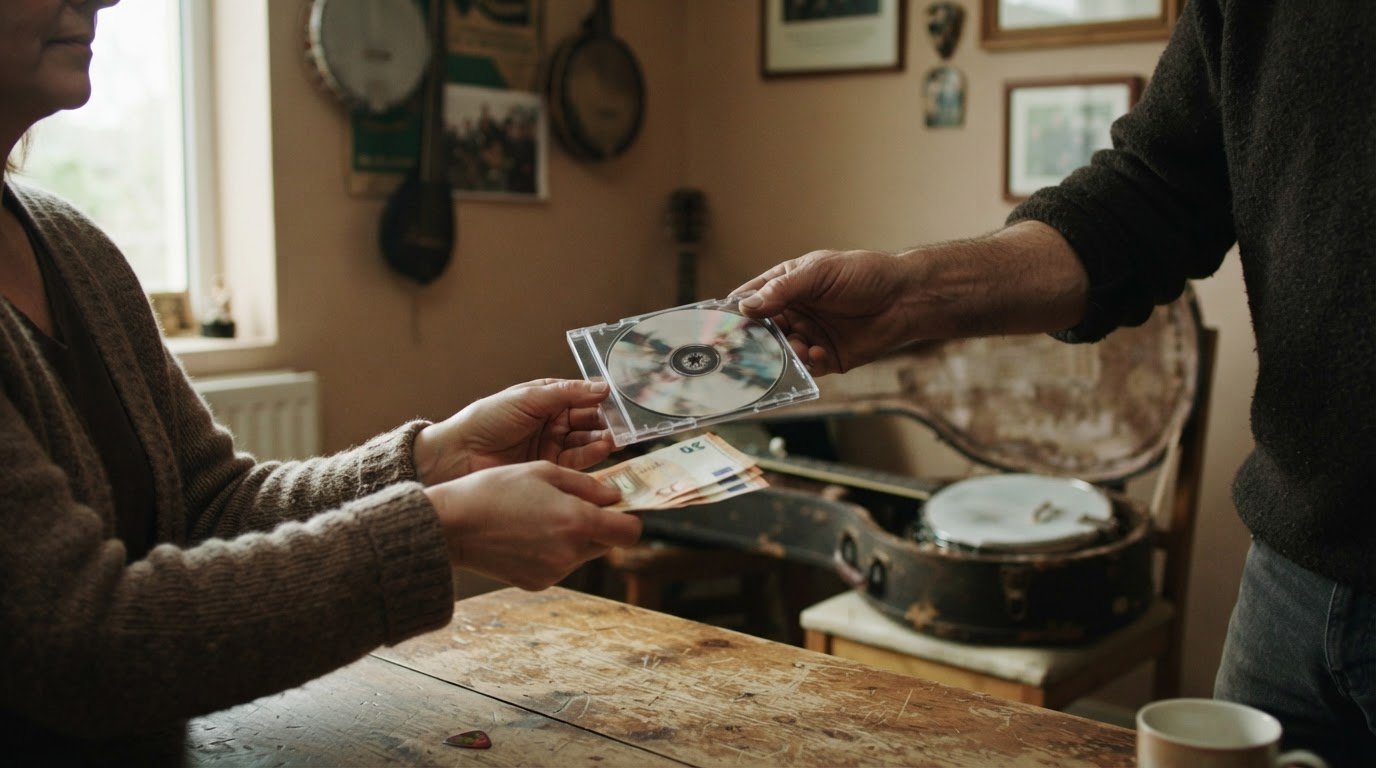
Not Before Time - 39 Years in the Making brings traditional Irish session music together across 18 tracks recorded live with expert musicians. The limited-edition physical CD may appeal if you enjoy having an album in hand and adding a tangible release to your collection. If that sounds like you, consider where you’ll keep it and how often you’ll revisit the performances.
The digital album includes the complete collection, while individual digital tracks let you focus on particular tunes. To narrow down your choice, think about how you listen day to day: do you tend to play albums from start to finish, or make time for a few favourites?
You don’t have to choose the same format for every artist. Consider what would make it easiest for you to enjoy these live performances, then pick the option that fits. If you’re unsure, take a moment to decide whether having the full set or only the tunes you’ll play most is more useful to you.
There’s no need to make one format your rule for every artist. You might keep a physical CD for an album you want to revisit as a whole, then choose digital music for the albums or tracks that fit your everyday routine. With Not Before Time - 39 Years in the Making, the choice is about how you want to experience these live performances and keep them close.
If you have a question about the music or its formats, contact Páraic Banjo.
Frequently Asked Questions
So, Which One is Better?
Choose the option that fits the listening decision in front of you. For a road trip, a saved offline playlist may be more practical; for a favourite album you want to revisit, buying a copy may suit better. If you’re unsure, track what you play for a week. Your own routine is a better guide than a blanket rule.
How does CD audio quality compare with music streaming?
Compare versions of the same release, since album editions can differ before playback even begins. Choose a familiar passage, such as a quiet vocal or busy instrumental break, and listen at a comfortable, matched volume. Jot down what you notice before switching formats. This simple test helps you decide based on your preferences rather than marketing labels.
What bitrate and audio formats do major music streaming services offer?
Services can offer different quality levels and file formats, and settings may vary by plan or device. Bitrate measures how much audio data is transferred over time; it isn’t the same as bit depth or sample rate. Check the app’s audio settings for the format used on your device, then make sure your playback equipment supports it.
How much does a CD cost compared with a monthly music streaming subscription in the US?
There’s no single figure that applies to every CD or streaming plan. A release’s price can vary, and a subscription’s charge depends on the plan and billing terms. For a fair comparison, use the actual CD price and the monthly plan you’re considering, then compare spending over the same period. Include taxes or delivery charges if they apply to your purchase.
How many CDs must you buy to match the cost of a year of streaming?
Divide the annual subscription total by the price of one CD, then round down to the nearest whole disc. Use the price you would actually pay, including applicable delivery costs, and the annual total for your specific plan. This gives you a personal comparison, not a general rule. If CD prices differ, calculate each release separately.
Can you listen to CDs without internet, and how does that compare with downloaded streaming music?
A CD can play offline with a compatible player. To test downloaded music before travelling, save the tracks in the service’s app, switch your device to airplane mode and try playing them. This quick check shows whether your chosen tracks are ready without a connection. Remember that an app download is different from a separate music file you can manage yourself.
What equipment is needed to play CDs versus streaming music?
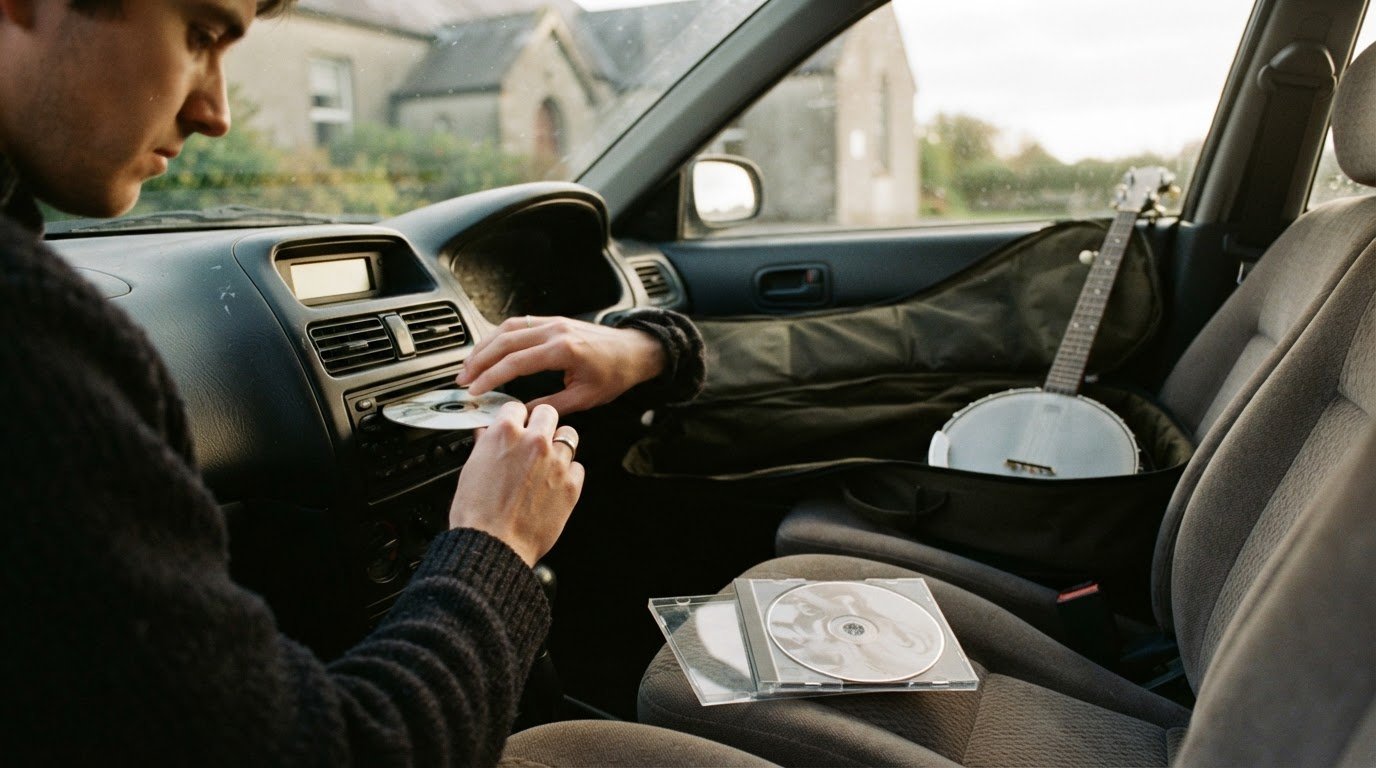
Before buying or connecting equipment, check the outputs on your player and the inputs on your speakers or headphones. For streaming, confirm that your chosen app runs on the device you plan to use. A phone, tablet or computer may handle playback, while a separate speaker can make listening more comfortable. Compatibility matters more than a complicated setup.
What are the advantages and disadvantages of CDs versus streaming for music discovery and convenience?
Streaming can lead from a familiar artist to related playlists, while a CD collection is less suited to browsing unfamiliar catalogues. Save a short list of promising discoveries, then listen again before deciding which releases deserve a place in your collection. That gives recommendations room to surprise you without turning every passing listen into a purchase.
Comments